Multimodal Learning
Building vision–language models that understand images and video, through unified representations and effective data design.
Hello, I’m
Ph.D. Student · Multimodal AI Researcher · Exploring AI Agents
I study how multimodal foundation models learn, reason, and align, and I am also interested in AI agents that can perceive, reason, and act in complex environments. I am a Ph.D. student at Shanghai AI Lab, jointly trained with the School of Artificial Intelligence, Shanghai Jiao Tong University, under the supervision of Yuhang Zang.
Research focus
My work spans multimodal learning, reinforcement learning for post-training, and AI agents.
Building vision–language models that understand images and video, through unified representations and effective data design.
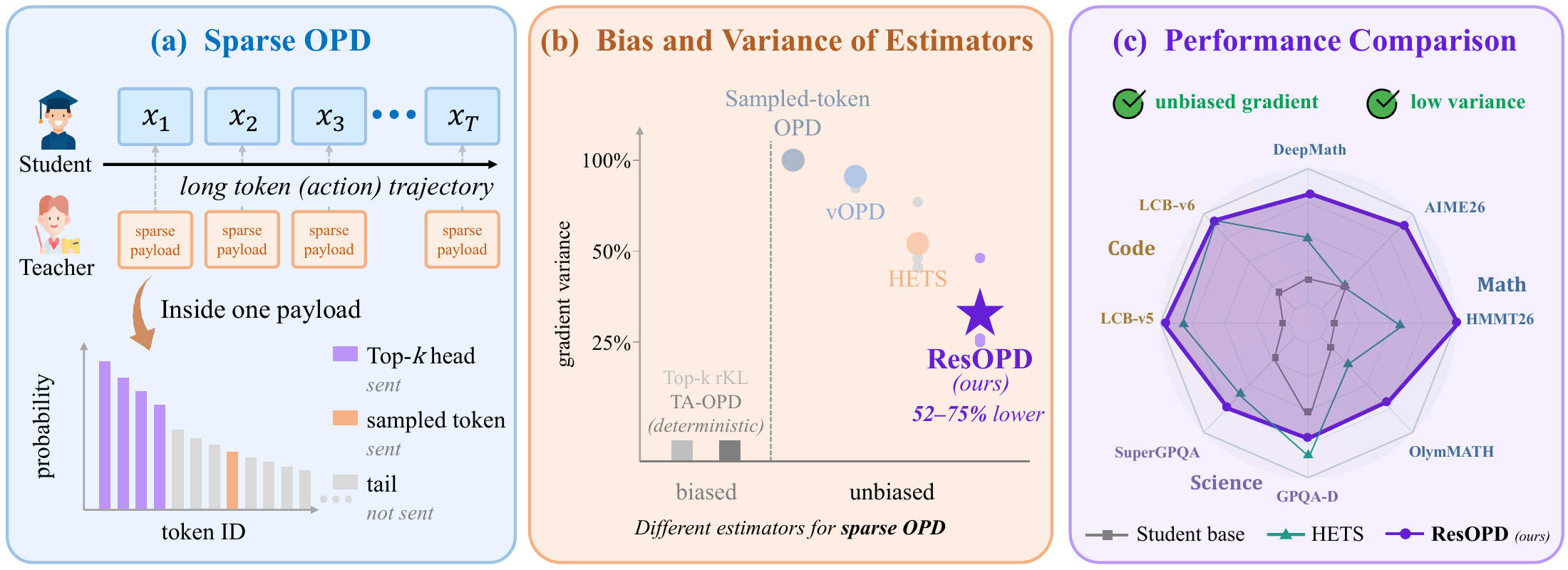
Using RL with verifiable rewards and on-policy distillation to improve perception and reasoning in large models.
Aligning foundation models with reliable rewards, preferences, and human intent.
Building agents that perceive, reason, and act in complex environments, grounding decisions in what they see.
Featured work · 2026
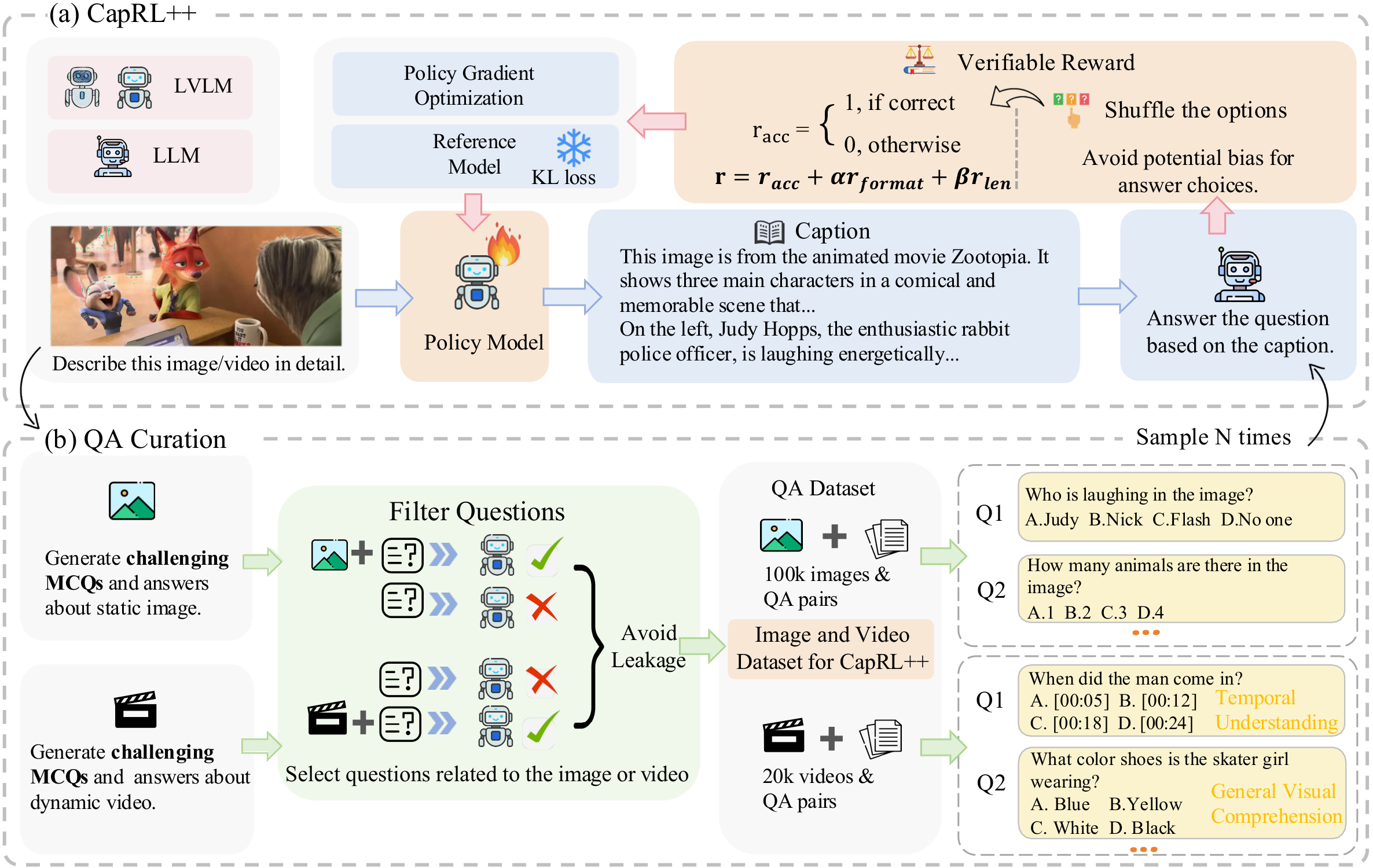
A unified framework for dense visual captioning and multimodal post-training.
This work explores a scalable approach to stronger perception and alignment in multimodal large language models.
Read the paperOpen-source projects
Multimodal models that turn perception into decisions, and the infrastructure to train and evaluate agents.

Fast decisions.
Continuous evolution.
Perception → Decision
A multimodal System One decision model.
Text, images, and video in; structured decision probabilities out. Valen-Decision evaluates inputs against task instructions and returns probabilities over supplied candidates, giving software a structured decision interface.

Run once, in a fresh container.
Keep every step.
Rollout → Training data
Agent trajectory collection across models and Harnesses.
Roller runs tool-using agents in disposable Docker containers. For every task and model, it keeps the native session, a unified step-level trace, SFT training data, and the generated files.
Updates
Our new preprint ResOPD introduces tail residualization for sparse on-policy distillation.
Received the Beijing Outstanding Graduate and Tsinghua Excellent Graduate awards.
Our work CapRL++ was submitted to TPAMI.
Started my internship at Shanghai AI Lab
Received the National Scholarship.
Won Second Prize in Tsinghua’s AGI Competition for a RAG project.
Background
Shanghai AI Lab × Shanghai Jiao Tong University
Shanghai Artificial Intelligence Laboratory
Building Environment & Energy Engineering, Tsinghua University
Recognition
Beyond the lab
Outside research, you’ll find me playing basketball or billiards, training at the gym, and exploring cafés around the city.